
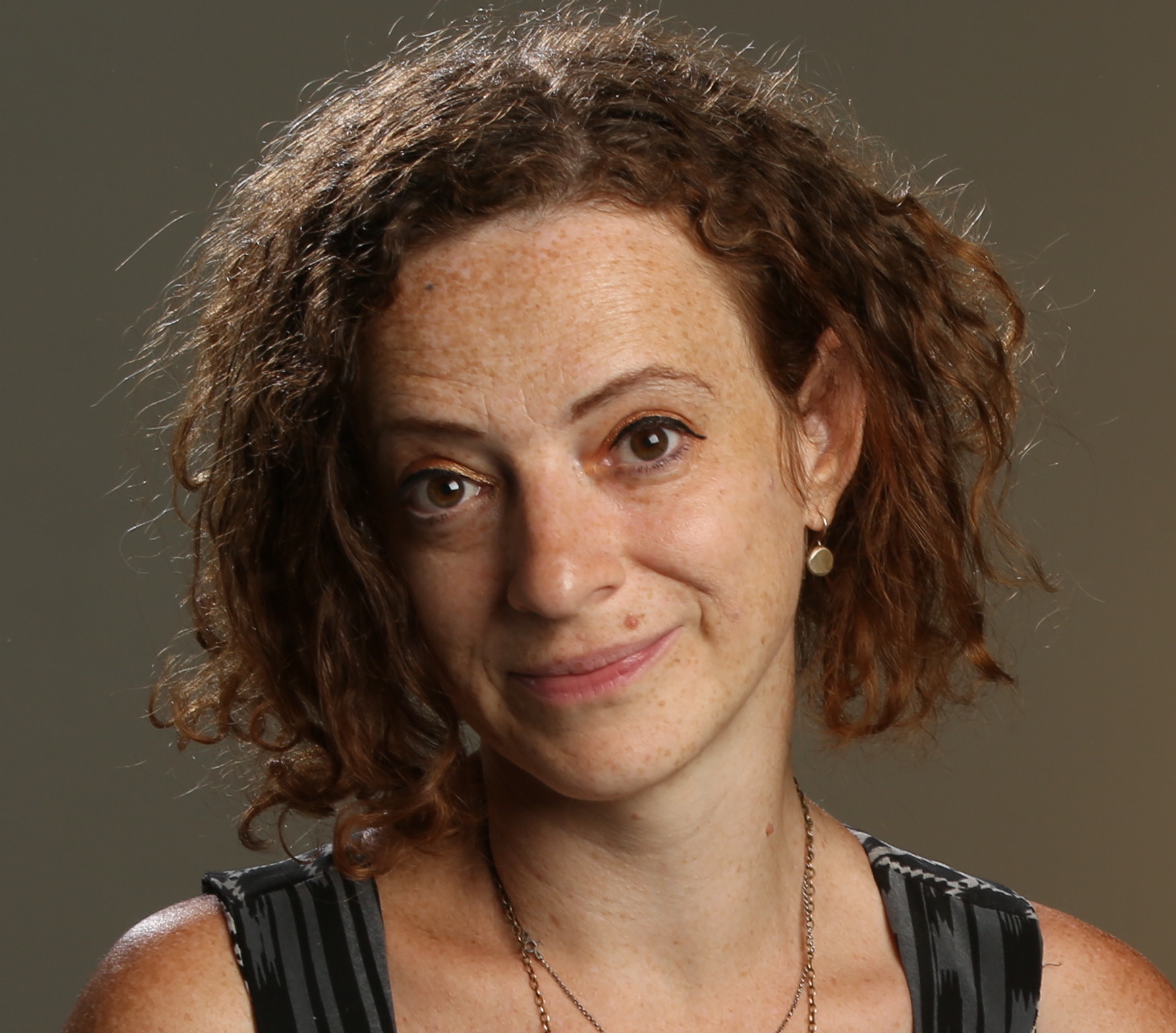
archives and archival practices; feminist filmmaking; experimental documentary; historical memory; feminist historiography; nuclear cultures; essay filmmaking; scientific and medical film; Communism and post-communism; the body.
Richland, 93 min. film, 2023
Contents Inventory, 31 min. film, 2021
Yours in Sisterhood, 101 min. film, 2018, distributed by Women Make Movies
Forty Years, 12 min. video 2016
Maternity Test, 14 min. video loop for gallery, New Maternalisms Chile 2014
The Motherhood Archives in Triple Canopy, interactive audiovisual essay, 2014
The Motherhood Archives, 2013, 91 min film, distributed by Women Make Movies.
The Worry Box Project, 20011-ongoing, web-based participatory archive and video installation.
The Samantha Smith Project, 2005, 59 min film.
Reconstruction, 2001, 90 min film, distributed by Women Make Movies
For Beijing with Love and Squalor, 1997, 59 min film.
documentary filmmaking, experimental documentary, feminist film practices, representing historical memory, archival media practices, audiovisual ethnography, autobiographical film, documentary editing.